
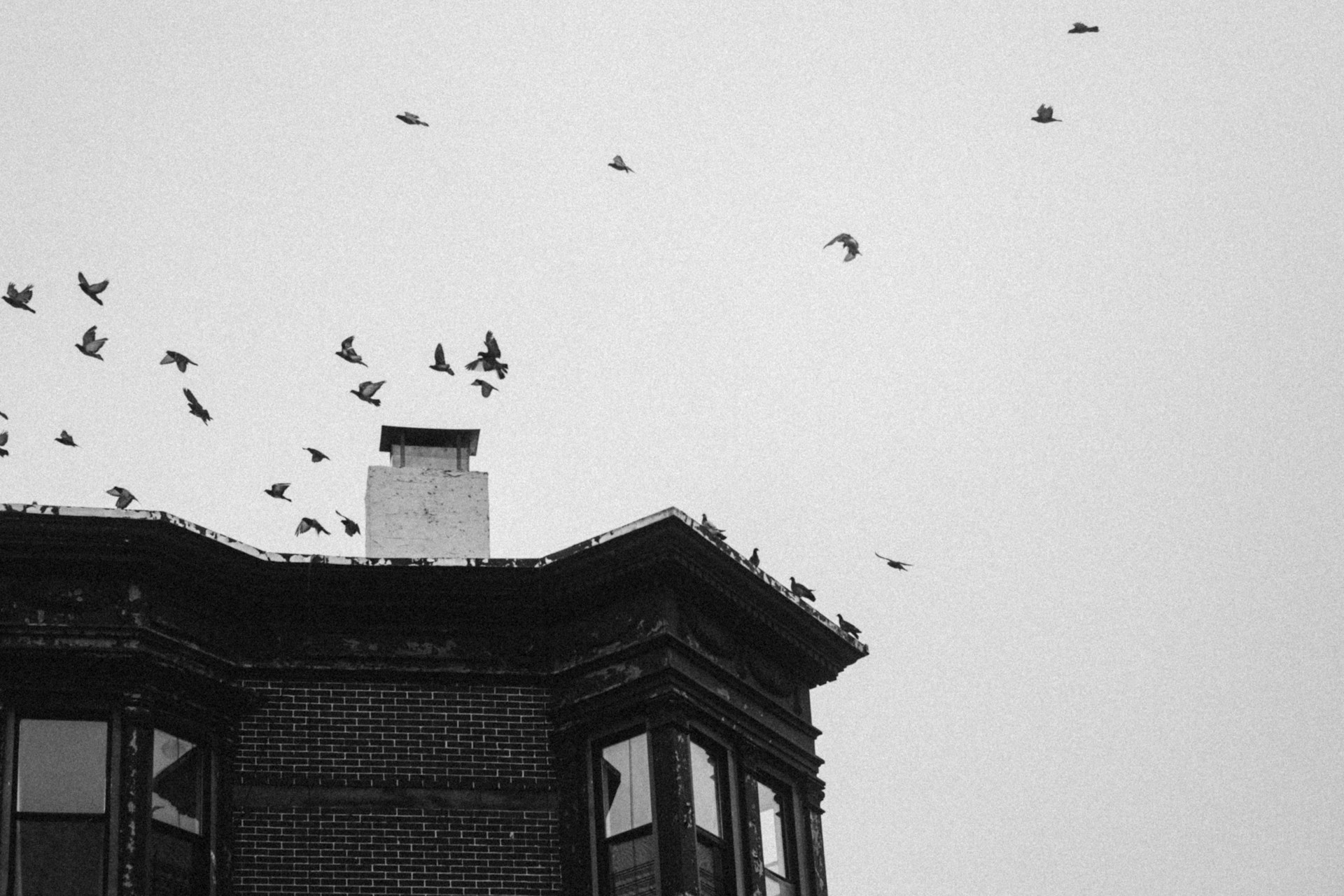
The skyline of a bustling city is a testament to human progress, yet it paints a very different world for its feathered residents. As concrete jungles expand and green spaces shrink, birds are forced to adapt to environments far removed from their natural habitats. Urbanization is not just reshaping landscapes it’s fundamentally altering the lives of the creatures that share these spaces with us.
Studying bird behavior in urban environments is more than a curiosity; it offers valuable insights into how wildlife copes with rapid environmental change and how humans can coexist with nature in our cities. From foraging in trash bins to nesting on building ledges, birds are exhibiting fascinating adaptations to survive and even thrive in urban settings.
This article delves into the many ways city life influences birds’ feeding habits, nesting choices, migration patterns, and social behavior. By understanding these changes, we can better design cities that support both human and avian communities, ensuring that the song of birds continues to echo amidst the hum of urban life.
Impacts of Urbanization on Bird Behavior
A. Changes in Feeding Patterns
Urban environments present both challenges and opportunities for birds. Many species have become increasingly reliant on human-provided food, from bird feeders in parks to scraps in garbage bins. This shift has altered traditional foraging behaviors, encouraging birds to explore new food sources and adapt to irregular feeding schedules. Opportunistic species, such as pigeons, crows, and house sparrows, often thrive in cities due to their ability to exploit these abundant but unconventional resources.
B. Nesting and Reproduction Adjustments
With natural nesting sites in decline, birds are turning to artificial structures such as building ledges, bridges, and streetlights to raise their young. Urban heat islands areas where cities retain more heat can also influence breeding timing, leading some species to start nesting earlier than their rural counterparts. While some birds successfully adapt, these shifts can affect reproductive success, population growth, and interspecies competition within urban ecosystems.
C. Altered Communication and Song
City noise has forced birds to adjust the way they communicate. Many urban birds increase the pitch and frequency of their calls to cut through traffic and construction sounds. These vocal adaptations are crucial for mating and territorial defense but can also affect social interactions, sometimes creating communication barriers between urban and rural populations of the same species.
D. Behavioral Adaptations to Human Presence
Birds living in cities often exhibit reduced fear of humans, a phenomenon known as habituation. They may alter their daily activity patterns, becoming more active at dawn or dusk to avoid heavy pedestrian and vehicle traffic. Dense urban populations can also lead to increased aggression and competition for limited resources, reshaping social hierarchies within bird communities.
E. Impact on Migration and Movement Patterns
Urbanization can disrupt traditional migration patterns. Some species choose to shorten their migratory routes or remain in the city year-round, attracted by consistent food supplies and milder microclimates. However, urban barriers such as tall buildings, roads, and artificial lighting can interfere with navigation, increasing the risk of collisions and altering natural movement patterns.
Species Most Affected
Birds respond differently to urban pressures. Urban exploiters, like pigeons, crows, and house sparrows, thrive in cities by taking advantage of food and nesting opportunities. Urban avoiders, including many woodland and ground-nesting species, struggle to adapt and often experience population declines. Case studies of urban-adapting birds reveal both the resilience and limitations of avian species when faced with rapidly changing habitats.
Ecological and Conservation Implications
Behavioral changes in urban birds impact entire ecosystems. Shifts in feeding, nesting, and movement can alter predator-prey relationships, pollination, and seed dispersal. Human-wildlife conflicts may arise, from property damage to health risks, while biodiversity can decline if sensitive species are unable to cope. Effective urban planning, including green spaces, bird-friendly architecture, and conservation initiatives, is crucial to mitigating these impacts and supporting sustainable urban ecosystems.
Strategies to Support Urban Birds
Cities can be designed to coexist with bird populations. Creating urban green corridors, parks, and rooftop gardens provides essential habitats and migration pathways. Bird-friendly structures, such as nesting boxes and safe ledges, can enhance reproductive success. Public awareness campaigns and community participation in bird conservation efforts are equally important, encouraging responsible feeding practices and habitat stewardship.
Conclusion
Urbanization has undeniably reshaped bird behavior, influencing how they feed, nest, communicate, and move. While some species have adapted remarkably well, others face significant challenges. By understanding these changes, urban planners, conservationists, and citizens can implement strategies that promote coexistence, protect biodiversity, and ensure that birds continue to enrich the soundscape and ecology of our cities. Ongoing research and proactive conservation are essential to safeguarding the future of urban bird populations.