
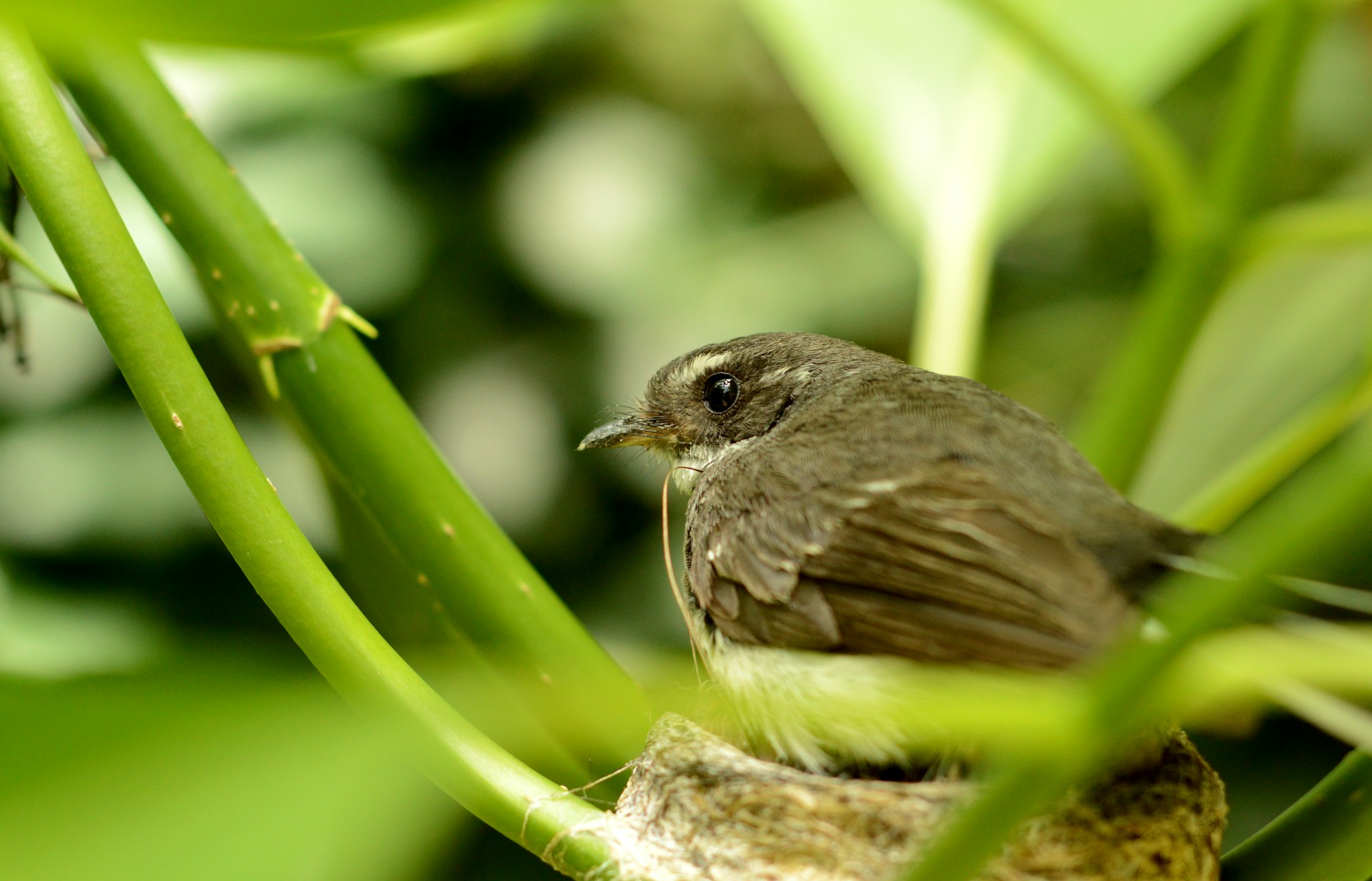
Imagine a bird gliding effortlessly across the sky, wings outstretched, completely unbound by the constraints that anchor us to the ground. In that moment, freedom takes shape not just as a concept, but as a living, breathing example. Birds, with their graceful flight and keen adaptability, have long captivated human imagination, symbolizing the very essence of liberation and resilience.
Birds are more than just creatures of the sky they are timeless symbols of freedom. Their ability to soar above landscapes, navigate vast distances, and adapt to changing environments offers powerful lessons for humans. By observing birds, we witness a remarkable balance of independence, flexibility, and resourcefulness, reminding us of the importance of embracing change and finding our own sense of liberation. This article delves into what birds teach us about freedom and adaptability, exploring how their behaviors and instincts can inspire us to navigate life with resilience, courage, and a boundless sense of possibility.
Birds as Symbols of Freedom
A. Flight and Mobility
Few sights inspire awe quite like a bird in flight. The effortless glide across open skies embodies freedom in its purest form, a vivid reminder of what it means to break free from limitations. Flight allows birds to traverse vast distances, explore diverse landscapes, and escape predators, reflecting a literal liberation from physical constraints. Symbolically, it resonates with the human desire to rise above challenges, transcend boundaries, and seek new horizons in life.
B. Independence and Self-Reliance
Birds exemplify self-sufficiency in remarkable ways. From building intricate nests to foraging for food and navigating long migratory journeys, they demonstrate a natural independence that humans can learn from. Observing their behaviors teaches us the value of autonomy cultivating skills, trusting instincts, and taking responsibility for our own survival and growth. In a world that often demands resilience, birds serve as quiet teachers of self-reliance and proactive living.
C. Cultural and Historical Perspectives
Across cultures and centuries, birds have been celebrated as emblems of freedom. In ancient Egyptian mythology, the Bennu bird symbolized rebirth and transcendence. In literature, poets have likened the flight of birds to the human spirit’s yearning for liberty. From Native American tales that honor the eagle’s vision to Eastern philosophies embracing the crane as a symbol of longevity and grace, birds consistently appear as metaphors for liberation, wisdom, and the boundless possibilities of life.
Birds as Masters of Adaptability
A. Navigating Changing Environments
Birds constantly adapt to shifting surroundings. Seasonal changes, urban expansion, and climate fluctuations demand flexibility, and birds adjust their diets, nesting habits, and migration schedules accordingly. Their ability to thrive in diverse habitats from dense forests to bustling cityscapes demonstrates resilience in the face of uncertainty, a lesson humans can apply to personal and professional life.
B. Migration and Long-Distance Travel
Migration is one of nature’s most extraordinary displays of planning and endurance. Birds traverse thousands of miles, guided by instinct, celestial cues, and environmental signals. These journeys highlight the importance of foresight, patience, and resilience. Just as birds embrace unpredictable weather and navigate unfamiliar terrains, humans can learn to approach change with courage, prepare for challenges, and remain flexible when the path ahead shifts unexpectedly.
C. Diverse Survival Strategies
Birds employ a wide array of strategies to survive and flourish. Some species form tight-knit flocks for protection, others adopt solitary lives to reduce competition. Feeding techniques, nesting preferences, and social behaviors vary widely, reflecting an innate flexibility that ensures survival. Observing these strategies offers insight into creativity, resourcefulness, and the art of adjusting approaches to meet life’s demands.
Lessons from Birds for Human Life
A. Embracing Freedom in Everyday Life
Adopting a “bird-like” mindset encourages humans to explore personal freedom in daily life. Whether it’s breaking free from limiting habits, pursuing new opportunities, or expressing creativity, birds remind us that independence is not just a goal but a way of living.
B. Cultivating Adaptability
Birds demonstrate that resilience and flexibility are key to thriving in a dynamic world. By observing how they respond to changing environments and challenges, humans can learn to pivot strategies, embrace uncertainty, and maintain balance amidst life’s inevitable shifts.
C. Finding Balance Between Freedom and Responsibility
While birds epitomize freedom, they also care for their nests, young, and communities. Humans can emulate this balance by seeking independence while honoring responsibilities to themselves and others a harmony between liberty and accountability that enriches life.
Conclusion
Birds offer more than beauty they provide living lessons in freedom and adaptability. From the effortless glide of flight to the resilience shown during migration and survival, their lives encourage reflection on our own potential for liberation and flexibility. By observing, learning from, and emulating birds, we can cultivate resilience, creativity, and a deeper appreciation for life’s possibilities. Like birds soaring across the sky, we too can navigate challenges with courage, grace, and a sense of boundless freedom.