
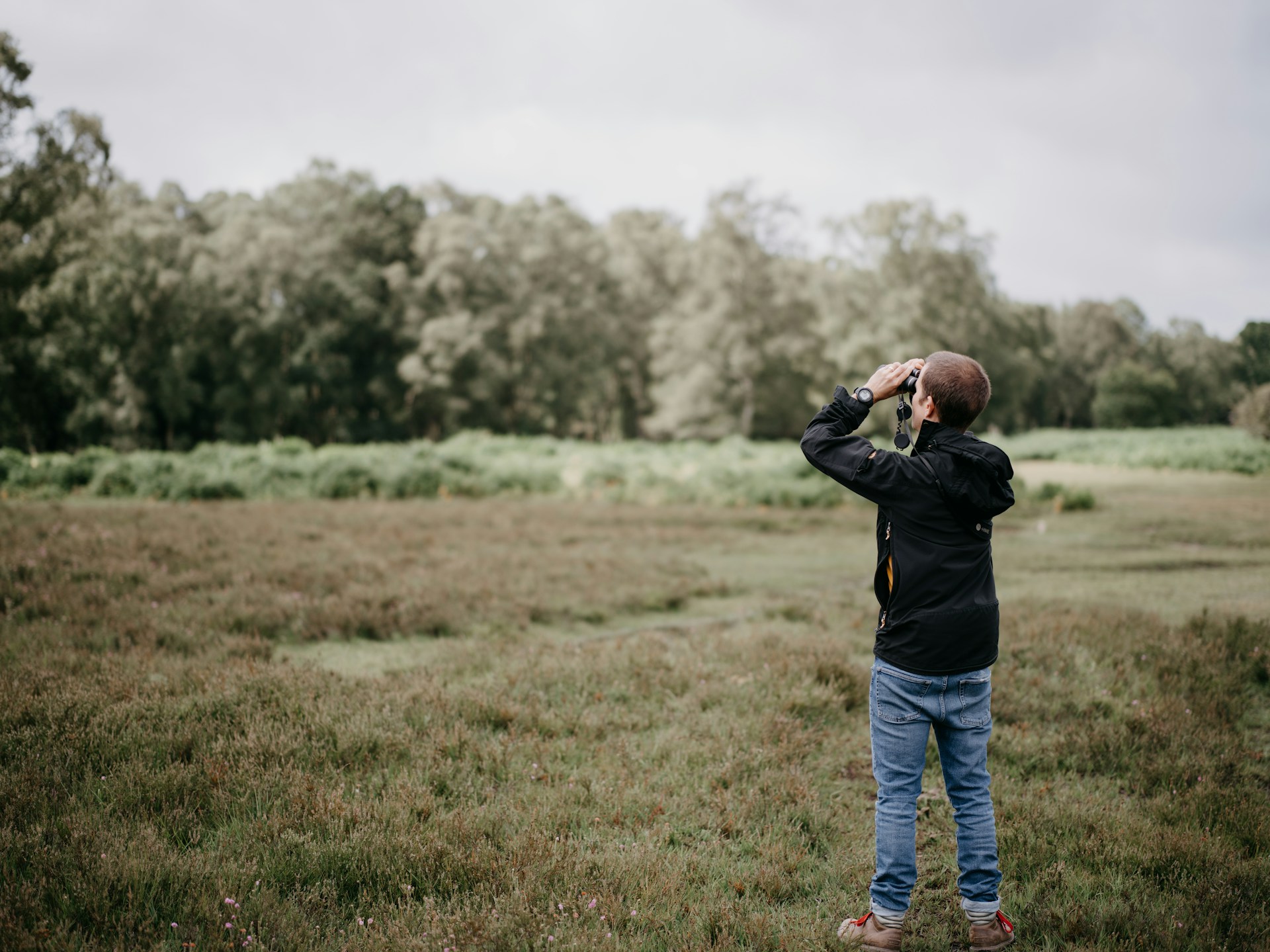
Imagine standing in a quiet park, binoculars in hand, as a flash of vibrant color catches your eye. A songbird perches nearby, its melody filling the air, and for a moment, the world feels still. This is the magic of birdwatching a simple yet deeply rewarding hobby that invites you to slow down, observe, and connect with nature.
Birdwatching, also known as birding, is more than just spotting birds it’s a doorway to relaxation, mindfulness, and a greater appreciation of the natural world. Whether you’re listening to the cheerful calls of backyard sparrows or discovering rare species in local reserves, birdwatching offers a chance to learn about wildlife while enjoying the outdoors.
The beauty of birdwatching is its accessibility. You don’t need expensive equipment or years of experience to get started; curiosity, patience, and a willingness to observe are enough. From quiet mornings in your backyard to weekend adventures in nearby parks, anyone can experience the joys of this enriching hobby. For beginners, birdwatching is not just about seeing birds it’s about connecting with nature, sharpening your observation skills, and finding calm in the everyday rush.
Understanding Birdwatching Basics
Birdwatching, at its core, is the practice of observing and studying birds in their natural environments. While it may seem simple just watching birds it encompasses a wide scope, from casually spotting common backyard species to meticulously documenting rare sightings. Birdwatching allows enthusiasts to explore ecosystems, understand avian behavior, and even contribute to citizen science projects tracking bird populations.
To navigate the world of birdwatching, it’s helpful to become familiar with a few key terms. A species refers to a distinct type of bird, while plumage describes its feather patterns and colors, which can vary by season, age, or gender. Habitat refers to the natural environment where a bird lives, whether it’s a forest, wetland, or urban park. Finally, migration describes the seasonal movement of birds, often across vast distances, which adds an exciting dynamic to birdwatching throughout the year.
Perhaps the most important skill for beginners is patience. Birds can be elusive, and spotting them requires quiet observation, careful listening, and a keen eye for movement. The more time you spend observing, the more you’ll notice subtle behaviors, unique markings, and patterns that make each bird species fascinating.
Essential Gear for Beginners
Starting birdwatching doesn’t require a lot of equipment, but a few tools can make the experience more rewarding. Binoculars are essential they allow you to see distant birds clearly. Beginners should look for binoculars with magnification between 8x and 10x and a comfortable lens size for brightness and clarity.
Field guides and birding apps help with identification by providing images, descriptions, and even bird calls. Some apps allow you to log sightings and connect with other birdwatchers, which can be both educational and social. Optional accessories like notebooks for sketching or noting observations, cameras for capturing photos, and bird calls to attract or identify species can enhance your birdwatching experience but aren’t strictly necessary at first.
Choosing the Right Locations
One of the joys of birdwatching is that it can happen almost anywhere. Local parks and nature reserves often host a variety of species, providing beginners with safe, accessible places to practice observation. Even your backyard or urban areas can reveal common birds like sparrows, pigeons, and robins.
To discover a wider range of species, seek out birding hotspots areas known for high bird diversity. Online resources, local birdwatching groups, and park guides can help identify these locations. Visiting different habitats, like wetlands, forests, and open fields, increases the chance of spotting both common and rare birds.
Learning to Identify Birds
Identifying birds combines careful observation with learning patterns and behaviors. Notice a bird’s shape, size, color, and markings, as well as its flight style and feeding habits. Many beginners also start recognizing bird songs and calls, which can be as distinctive as visual features.
Using field guides, apps, and online communities can help confirm your sightings and learn more about each species. Sharing observations with fellow birdwatchers can improve your skills and make the hobby more social and rewarding.
Birdwatching Etiquette and Safety
Respect for wildlife is a cornerstone of birdwatching. Avoid disturbing birds or their habitats, especially during nesting season. Stick to trails and observe from a distance to minimize stress on the birds.
Safety is also important. Dress appropriately for weather, bring water, and be aware of local hazards like rough terrain or insects. Always follow local rules and seasonal restrictions, such as protected areas or restricted access zones, to ensure both your safety and the birds’ well-being.
Tracking Progress and Enjoying the Experience
Keeping a birdwatching journal or checklist is a great way to track sightings and monitor your progress. Documenting your observations not only helps with identification but also creates a personal record of your experiences.
Consider joining local clubs or online communities to share discoveries, learn tips, and connect with fellow enthusiasts. Setting personal goals, like spotting a certain number of species or visiting new birding locations, adds motivation and makes the hobby even more rewarding.
Tips for Staying Motivated
Consistency is key in developing a birdwatching habit. Schedule regular outings, even short ones in your backyard. Combining photography with observation can make the experience more engaging and allows you to capture memories of your discoveries.
Invite friends or family to join, turning birdwatching into a social activity. Sharing the excitement of spotting a rare bird or hearing a unique song can keep enthusiasm high and make the hobby even more enjoyable.
Conclusion
Starting birdwatching may seem simple, but it opens a lifelong journey of learning, discovery, and connection with nature. Beginners are encouraged to start small, focus on what they can see and hear, and gradually expand their knowledge. Over time, the hobby offers not only the joy of observing birds but also a deeper appreciation for the natural world and the remarkable diversity of life around us.