
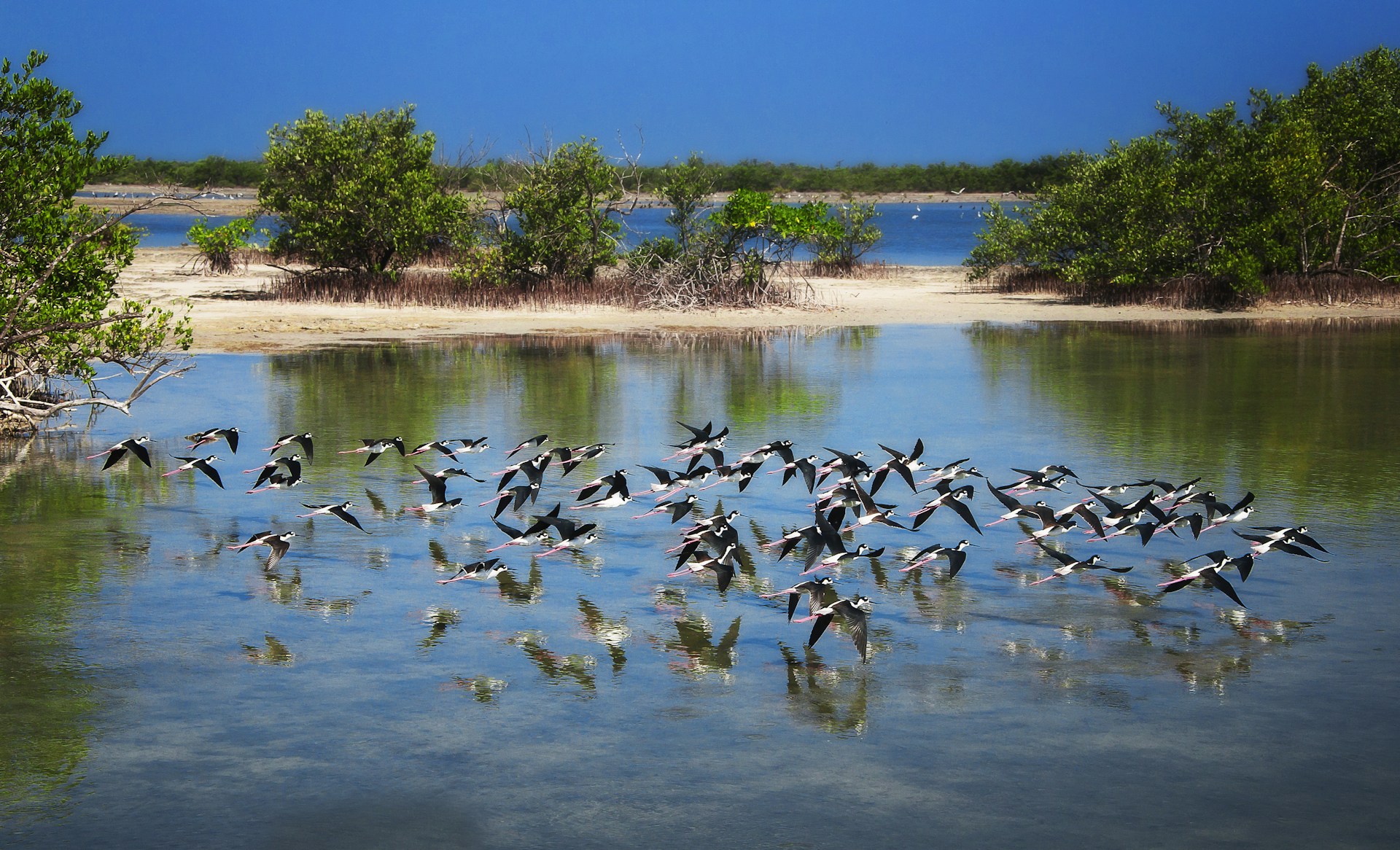
From the misty canopies of tropical rainforests to the shimmering expanses of wetlands, birds have found ways to thrive in nearly every corner of our planet. Whether gliding over ocean waves, nesting high in alpine cliffs, or foraging in sunlit grasslands, each species is perfectly adapted to its unique home. These habitats aren’t just scenic backdrops they are vital ecosystems that provide everything birds need to survive, breed, and migrate.
Birds rely on their environments for shelter, food, and safe nesting grounds, and even the smallest changes in these delicate ecosystems can have ripple effects across the globe. The variety of habitats from lush forests bursting with life to arid deserts that test the limits of endurance reveals nature’s incredible capacity for adaptation and balance.
In this article, we’ll journey through some of the world’s most extraordinary bird habitats, exploring what makes each environment so essential to avian life. From rainforests teeming with color to wetlands that host vast flocks of migrating species, we’ll uncover how these ecosystems support one of nature’s most captivating wonders the global community of birds.
Understanding Bird Habitats
A bird habitat is the natural environment that provides everything a bird needs to live food, water, shelter, and space to raise its young. These habitats vary greatly across the planet, from humid jungles and coastal cliffs to icy tundras and sun-scorched deserts. The diversity of bird species is a reflection of how well each has adapted to its surroundings, developing unique behaviors, diets, and physical traits suited to their ecological niche.
The key features that support bird life include abundant food sources, safe nesting sites, access to clean water, and suitable vegetation. Insects, seeds, nectar, and small fish form the basis of most avian diets, while trees, shrubs, cliffs, and reeds provide essential nesting and roosting spaces. Water, whether from rainfall, rivers, or dew, is vital not only for drinking but also for maintaining the plants and prey that birds depend on. When these elements are balanced, the result is a thriving ecosystem where birds can feed, breed, and migrate safely.
Biodiversity is a strong indicator of habitat quality. A richly diverse ecosystem supports a wide variety of bird species, each playing a role in maintaining ecological stability from seed dispersal and pollination to pest control. When biodiversity declines, it often signals that the habitat is under stress, affecting both birds and the countless other species that share their environment.
Tropical Rainforests The Avian Paradise
Tropical rainforests are among the most vibrant bird habitats on Earth, known for their lush vegetation, dense canopy layers, and year-round warmth. With abundant rainfall and towering trees, these forests provide endless food sources and shelter for millions of species. The Amazon Rainforest in South America, the Congo Basin in Africa, and the rainforests of Southeast Asia are home to some of the most stunning and diverse bird populations on the planet.
Here, brilliant macaws flash through the canopy, toucans display their oversized beaks, hornbills echo across the treetops, and birds of paradise perform elaborate dances deep in the jungle shadows. Every layer of the rainforest from the forest floor to the emergent canopy supports distinct avian communities. Yet, these magnificent ecosystems face increasing threats from deforestation, illegal logging, and the wildlife trade. Habitat fragmentation endangers countless species, making rainforest conservation crucial for maintaining global bird diversity.
Wetlands and Marshes Cradles of Waterfowl
Wetlands and marshes are among the most productive bird habitats, teeming with life where land and water meet. Characterized by shallow waters, rich vegetation, and abundant invertebrates, these ecosystems serve as essential breeding grounds and feeding areas. The Okavango Delta in Botswana, the Everglades in the United States, and the Sundarbans spanning Bangladesh and India are iconic examples of wetland habitats that support spectacular birdlife.
Herons, egrets, flamingos, ducks, and cranes all depend on wetlands for food and nesting. Many migratory species use these habitats as crucial stopovers during long journeys, resting and refueling before continuing across continents. Beyond their avian value, wetlands help regulate water cycles, filter pollutants, and buffer floods. However, pollution, land reclamation, and climate change threaten their delicate balance making wetland protection vital for both birds and humans alike.
Coastal and Marine Habitats Life by the Sea
Along the world’s shorelines and oceanic islands, birdlife flourishes in an environment shaped by tides, salt, and wind. Coastal habitats such as mangroves, coral islands, and rocky cliffs provide vital breeding and feeding grounds for seabirds. The Galápagos Islands, the Great Barrier Reef’s outer islands, and the Farne Islands in the United Kingdom are just a few of the spectacular locations where coastal birdlife thrives.
These regions host puffins nesting in burrows, pelicans gliding over waves, and albatrosses soaring vast distances across open oceans. Seabirds play critical roles in global ecosystems, transferring nutrients between sea and land and maintaining marine food chains. Yet, threats such as overfishing, plastic pollution, and rising sea levels endanger their survival. Conservation of coastal and marine habitats is not just about saving birds it’s about protecting the health of the oceans themselves.
Grasslands and Savannahs Open Skies and Hunters
Grasslands and savannahs stretch across continents, offering wide-open spaces where visibility is key to survival. These habitats are dominated by grasses and scattered trees, providing ideal conditions for both predators and prey. Famous examples include the Serengeti in Tanzania, the Pampas of Argentina, and the Great Plains of North America all renowned for their sweeping landscapes and remarkable birdlife.
Here, flightless ostriches stride across open plains, secretary birds stalk snakes through tall grass, and hawks circle high above in search of prey. Bustards and larks rely on camouflage and ground-nesting behaviors to protect their young from predators. Many grassland birds are migratory, moving seasonally to follow rainfall and food sources. Unfortunately, agriculture, livestock grazing, and urban expansion continue to erode these habitats, threatening species that depend on open land for survival.
Forests of the Temperate Zone Seasonal Sanctuaries
Temperate forests, found across North America, Europe, and Asia, offer a very different but equally rich environment for birdlife. These forests experience four distinct seasons, creating cycles of growth, migration, and renewal. The Black Forest in Germany, the Appalachian woodlands in the United States, and the vast Taiga stretching across Russia provide sanctuary to countless bird species throughout the year.
Woodpeckers drum on tree trunks in search of insects, owls silently patrol the night, and warblers and robins fill the forests with song during the spring. Many migratory birds depend on these regions as seasonal homes, returning each year to breed and raise their young. The changing climate, deforestation, and invasive species now pose serious challenges to these ecosystems, but efforts in reforestation and wildlife corridors offer hope for their recovery.
Deserts and Arid Regions Life in the Extremes
Though they may seem inhospitable, deserts and arid regions harbor a surprising variety of bird species that have evolved remarkable adaptations for survival. From the endless dunes of the Sahara to the rocky expanses of the Arabian Desert and the red plains of Australia’s Outback, birds have learned to thrive under extreme heat and scarce water.
Species like sandgrouse and larks rely on early morning dew and deep-rooted desert plants for moisture, while nocturnal birds such as owls avoid the blazing sun by hunting at night. Their plumage often blends perfectly with the desert landscape, providing camouflage against predators. These habitats may appear barren, but they are delicate ecosystems where even small disturbances like groundwater depletion or mining can have lasting impacts.
Mountain and Alpine Habitats High-Altitude Homes
Rising above forests and plains, mountain habitats challenge birds with thin air, cold temperatures, and rugged terrain. Yet, these extremes have given rise to some of the world’s most majestic avian species. The Himalayas, Andes, and Rocky Mountains are prime examples of alpine ecosystems that host unique birdlife adapted to high-altitude living.
Here, snowcocks forage along rocky slopes, golden eagles and condors soar effortlessly on mountain thermals, and lammergeiers (bearded vultures) drop bones from the sky to access their nutrient-rich marrow. Many mountain birds migrate vertically descending to lower altitudes during winter and returning in spring to nest. As glaciers retreat and climate zones shift, these specialized habitats face increasing pressure, underscoring the urgency of protecting mountain ecosystems.
Conservation and the Future of Bird Habitats
Across all these ecosystems, birds face a common set of challenges: habitat loss, pollution, and climate change. Deforestation, urban sprawl, and agricultural expansion continue to shrink the natural spaces birds depend on. Climate shifts are altering migration patterns and breeding seasons, while plastic waste and chemical pollution threaten both terrestrial and aquatic species.
Global conservation efforts from creating protected reserves to restoring wetlands and reforesting degraded lands are critical to ensuring that bird populations endure. Ecotourism and citizen science also play growing roles, empowering individuals to contribute to conservation and research. Protecting bird habitats ultimately means preserving the balance of nature itself, for birds are among the clearest indicators of a healthy planet.
Conclusion
From the vibrant calls of rainforest parrots to the haunting cries of mountain eagles, bird habitats reveal the astonishing adaptability and beauty of life on Earth. Each ecosystem, no matter how harsh or lush, contributes to the intricate web that sustains avian diversity. Yet, these wonders are fragile, and their survival depends on collective global action.
By understanding and protecting the world’s most remarkable bird habitats, we not only safeguard the future of birds but also preserve the ecological harmony that all species including our own depend on.